

Cat Hairballs: What They Are, Why They Happen, and How to Help
Hairballs in cats are a fact of life for cat owners and while occasional hairballs can be normal, frequent episodes may signal an underlying issue that needs a visit to the vet. Learning about hairballs in cats such as why they form, when they’re a concern, and how to manage them can help keep your cat comfortable and healthy. This guide walks through the causes, treatment options, and practical ways to support cats and hairballs with a knowledgeable, friendly approach.
We’ll cover:
• When Hairballs Are Normal vs. a Health Concern
Understanding Hairballs in Cats

Cats are meticulous groomers. Their tongues are covered in tiny, backward-facing barbs that pull loose fur from the coat during grooming. Much of that hair passes through the digestive tract, but some can accumulate in the stomach and form hairballs. This is why cats and hairballs often go hand in hand.
Many pet owners ask why do cats have hairballs or why do cats get hairballs more often at certain times of year. Seasonal shedding, coat length, digestive speed, and grooming frequency all play a role. While the occasional hairball can be expected, frequent or difficult hairballs deserve closer attention.
Why Cats Get Hairballs
When cats lick themselves, they swallow loose hair. Normally, this passes through the digestive tract but seasonal changes can temporarily increase shedding, leading to more loose hair and more hairballs. Other factors include breeds, long-haired breeds, heavy shedders and cats who are particularly fastidious about their grooming are at higher risk.
Digestive health also matters, cats with slower gut motility may have more trouble passing hair naturally. These factors explain why do cats have hairballs more frequently at certain life stages or during shedding seasons.
When Hairballs Are Normal vs. a Health Concern
An occasional hairball is normal. However, frequent vomiting, hacking without producing a hairball, or repeated episodes can indicate a problem. In rare cases, hair can cause an intestinal blockage, which is a medical emergency. Understanding the difference between normal hairballs and concerning signs helps protect cats and hairballs from becoming a more serious issue. Watch for cat hairball blockage symptoms, which may include lethargy, reduced appetite, constipation, abdominal discomfort, or ongoing retching.
If you’re ever unsure,
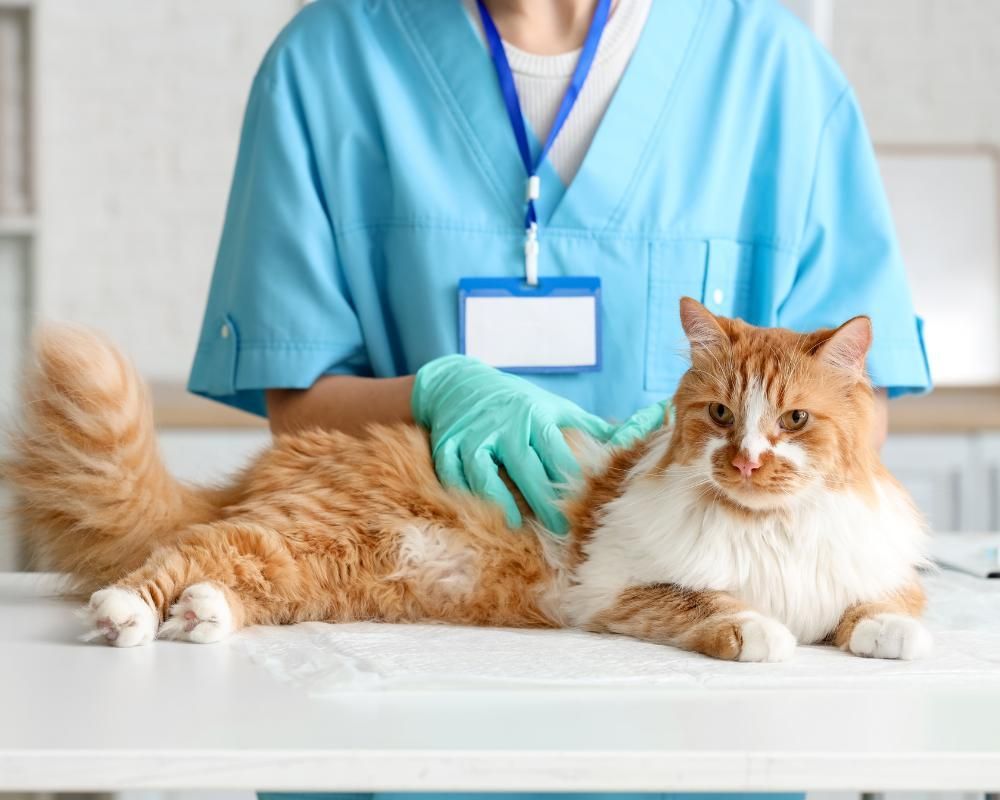
a veterinary exam is the safest next step.
Treatment Options for Cat Hairballs
When hairballs become frequent or difficult, treatment targeted at helping hair move smoothly through the digestive tract and reducing irritation may be needed.
Common veterinary-recommended options include:
• Specialized diets with added fiber to support digestion
• Lubricant gels designed as a hairball remedy for cats
• Digestive supplements to improve gut motility
• Addressing underlying issues such as skin conditions or excessive grooming
While there are cures for hairballs in cats, but the most effective approach is ongoing management rather than a one-time fix. Preventative measures, dietary changes and other options from your veterinarian can help determine deal with and prevent hairball issues safely based on frequency, age, and overall health.
How Can I Prevent Hairballs in My Cat?
Prevention is often the most effective strategy. For owners wondering how to prevent hairballs in cats naturally, daily grooming is one of the best tools. Regular brushing removes loose fur before your cat swallows it which is especially helpful for long-haired cats, heavy shedders and during seasonal shedding such as spring when the winter fur is lost.
Other prevention tips include:
• Feeding a balanced diet that supports digestion
• Encouraging hydration to keep the GI tract moving
• Managing shedding with routine grooming schedules
• Reducing stress or boredom that may lead to overgrooming
If prevention efforts aren’t enough, your veterinarian can recommend additional strategies tailored to your cat’s needs.
Walk in for a Visit if Your Cat Is Struggling With Hairballs
While hairballs are common, frequent or severe episodes shouldn’t be ignored. At Chipman Road Animal Clinic, we help pet owners understand cats and hairballs and create personalized plans to manage and prevent them.
If you’re concerned about vomiting, suspected blockage, or need guidance on how to help cat with hairball problems, our team is here to help.
Visit us at Chipman Road Animal Clinic (Walk-ins welcome!) and keep your cat comfortable, healthy, and hairball-free.